

Doctors, nurses, and hospitals make mistakes. These medical errors can hurt patients or even cause death. This shows that even trained professionals aren’t perfect. It matters a lot in cases where families disagree with doctors—like the Joy and Kenlee Zuraff case in Florida. There, the state took Kenlee (who has cystic fibrosis) from her mom, Joy, after a dispute over treatment. The case highlights why we should question medical decisions carefully.
How Big Is the Problem?
Medical errors happen often. They include:
- Wrong diagnosis
- Wrong medicine or dose
- Surgery mistakes
- Infections picked up in the hospital
- Poor communication between staff
A famous 1999 report called “To Err is Human” said preventable hospital errors kill 44,000 to 98,000 people each year in the U.S.
The Big Claim: Third Leading Cause of Death
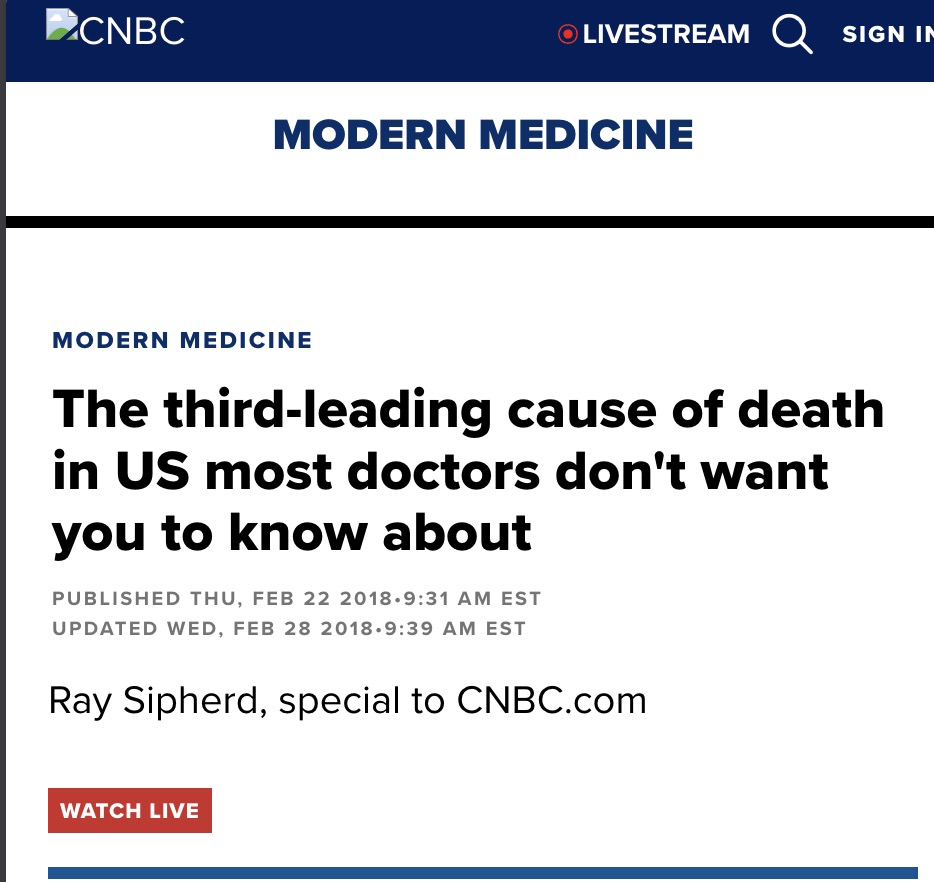
In 2016, a study in The BMJ said medical errors cause about 251,000 deaths a year. That would make them the third leading cause of death—after heart disease and cancer.
The main author was Martin Makary, a doctor from Johns Hopkins. He said errors are undercounted because death certificates list the main illness, not the mistake that caused death.
Today, Dr. Marty Makary is the head (Commissioner) of the FDA. He was confirmed by the Senate in March 2025 and sworn in April 2025. His work on patient safety helped shape this view.
When “Standard of Care” Goes Wrong
Sometimes, the official treatment recommended by experts can cause be deadly.
Take remdesivir during COVID-19. It became a standard hospital treatment for serious cases.
But remdesivir was tested in an Ebola trial in 2018–2019. Results published in December 2019 in the New England Journal of Medicine showed a high death rate (about 53%) for patients on remdesivir—worse than other options. The trial stopped using it because it was too dangerous.
Despite that history, remdesivir was chosen for COVID the next month. Some studies later linked it to kidney failure (acute kidney injury) and higher death rates in certain patients.
Hundreds of families say loved ones died or got hurt from remdesivir. Many have contacted groups like the FormerFeds Group Freedom Foundation to investigate and file lawsuits against hospitals and the drug maker.
The award winning film “Epidemic of Fraud” explored the Remdesivir connection to our nation’s disastrous COVID-19 response.
This example shows how “standard” treatments can harm people when evidence is mixed or ignored.
Why This Matters for Cases Like Joy and Kenlee Zuraff
In the Zuraff case, Joy questioned certain cystic fibrosis drugs due to side effect concerns. The state stepped in, calling it medical neglect, and removed her daughter.
Medical errors and bad outcomes from standard care remind us: Doctors can be wrong. Parents have the right to ask questions and seek second opinions.
No one wants to ignore real child safety risks. But when families are separated over treatment disagreements, we need transparency, fair hearings, and respect for parents.
Safety efforts continue—like better training, tech to catch mistakes, and focusing on fixing systems instead of blaming individuals.

Final Thoughts
Doctors and nurses work hard and save lives every day. But they do make mistakes—sometimes big ones. The 2016 study by now-FDA Commissioner Martin Makary put a spotlight on this. Cases like remdesivir show even approved treatments can go wrong.
In situations like Joy Zuraff’s fight to get her daughter Kenlee back, this reality calls for caution. Families deserve careful review, due process, and the chance to be heard. Awareness of medical errors can help protect kids and keep families together when possible.

